Polyester polyols for PUR hot-melt adhesives.
Crystalline 1,6-hexanediol and 1,4-butanediol adipates, a fast-set grade, an amorphous grade and liquid grades: everything you need to build and tune a reactive (PUR) hot melt. 14 NGC Ester HM grades plus 4 support grades, supplied and supported in the UK and Europe.
Is your polyester supplier leaving the market?
Send us your current grade and TDS. We match OH value, viscosity, acid value and melting point, and send lab samples for your trial.
How to build a reactive hot melt
A reactive (PUR) hot melt is a blend of polyester polyols reacted with MDI. Each type of polyester does a different job.
Crystalline: set and green strength
1,6-hexanediol and 1,4-butanediol adipates crystallise as the bond line cools, so the joint sets fast and holds early. Higher MW gives a tougher, more elastic film.
Amorphous: tack and adhesion
An isophthalic/adipic polyester adds hot tack and green strength, and helps adhesion to polar substrates such as wood, paper and metal.
Liquid: open time and flexibility
Liquid and low-melt adipates give longer open time, a softer bond line and better adhesion to plastics.
- Pick the blend. Start with a crystalline grade as the largest part, then add amorphous for tack and liquid for open time.
- Melt and dry. Melt the polyesters together and dry under vacuum. Water reacts with MDI, so keep it as low as you can.
- React with MDI at an OH:NCO ratio of about 1:2.2, so the prepolymer ends in free NCO groups. Pack it away from moisture.
- Apply and cure. The hot melt sets as it cools, then cures with moisture in the air to its final strength and heat resistance.
General guidance only. Tune the blend and ratio on your own line, and trial before use.
Applications
Where PUR hot melts are used
Each line needs a different balance of set speed, open time, green strength, flexibility and heat resistance. These are the usual starting points. Your own trial decides the final blend.
Furniture and panels
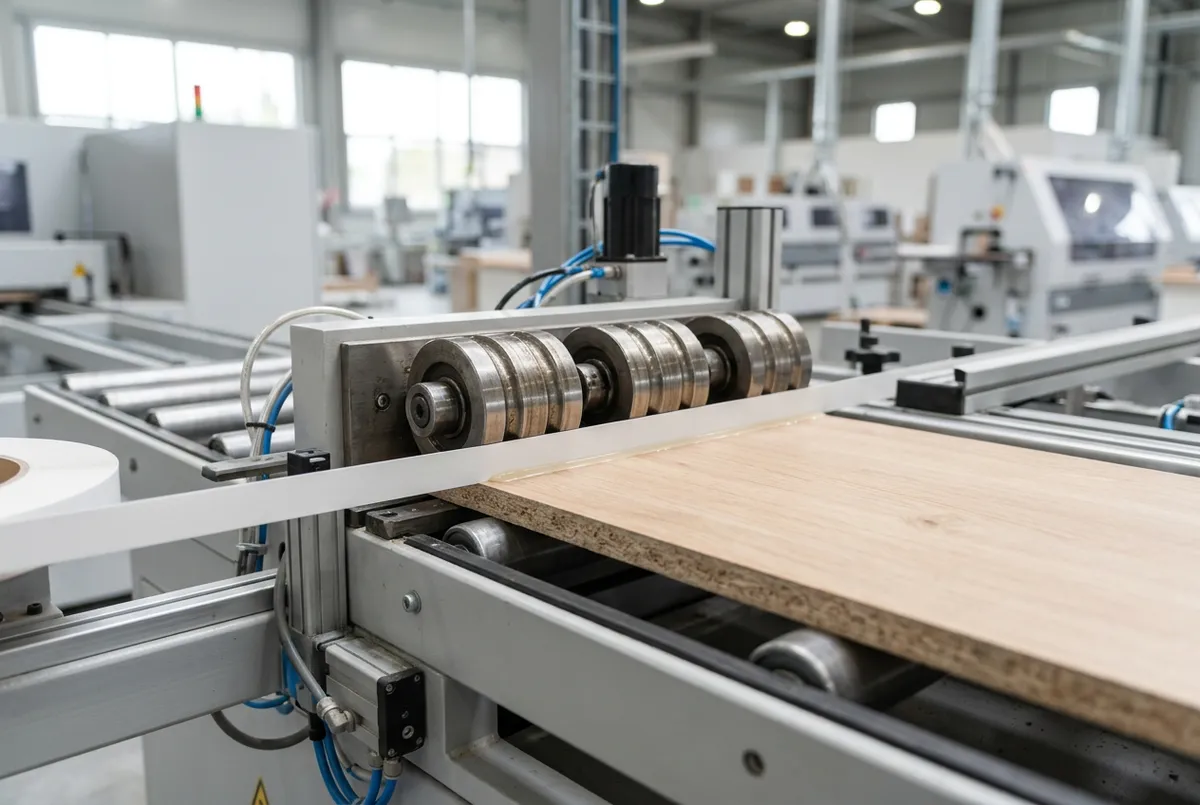
Edge banding
Edge bands are pressed onto the board edge at high line speed, so the hot melt must grab fast and hold the band while the panel moves on to trimming.
After moisture cure, the bond line also needs heat and water resistance for kitchen and bathroom furniture.
Grades to look at
- Fast set: NGC Ester 76930 HM
- Main crystalline backbone: NGC Ester 76630 HM
- Tack and adhesion to wood: NGC Ester 76135 HM

Windows, doors and furniture
Profile wrapping
Decor foil is wrapped around the curves of PVC, aluminium or MDF profiles. The hot melt needs enough open time to follow the shape, then high green strength so the foil does not lift at the edges.
Grades to look at
- Crystalline: NGC Ester 76630 HM, 76620 HM
- Amorphous for green strength: NGC Ester 76135 HM
- Liquid for open time and adhesion to plastics: NGC Ester 74537 HM
Print finishing
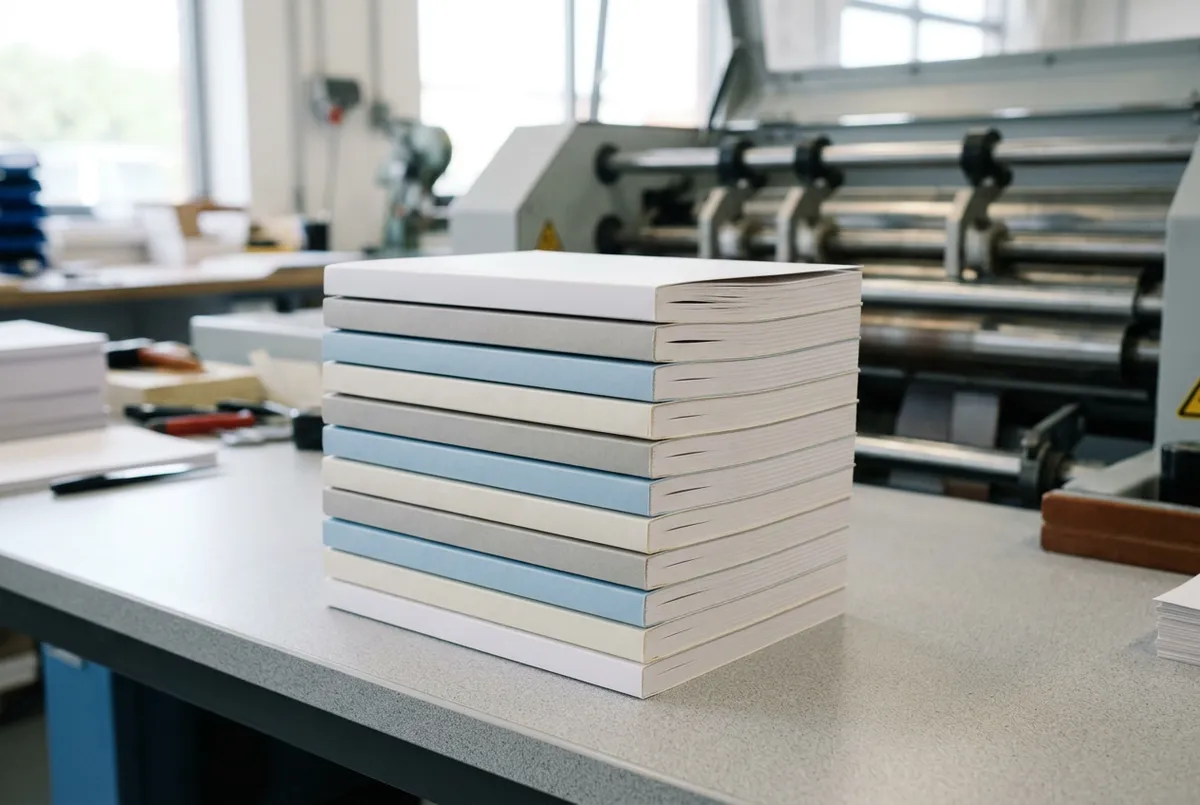
Bookbinding
Perfect-bound books need a thin glue line that sets quickly, so blocks can be trimmed soon after binding.
Once cured, the spine should stay flexible so the book opens flat without pages coming loose.
Grades to look at
- Crystalline: NGC Ester 76630 HM, 76637 HM (lower melt viscosity)
- Adhesion to paper: NGC Ester 76135 HM
Textiles and vehicle interiors
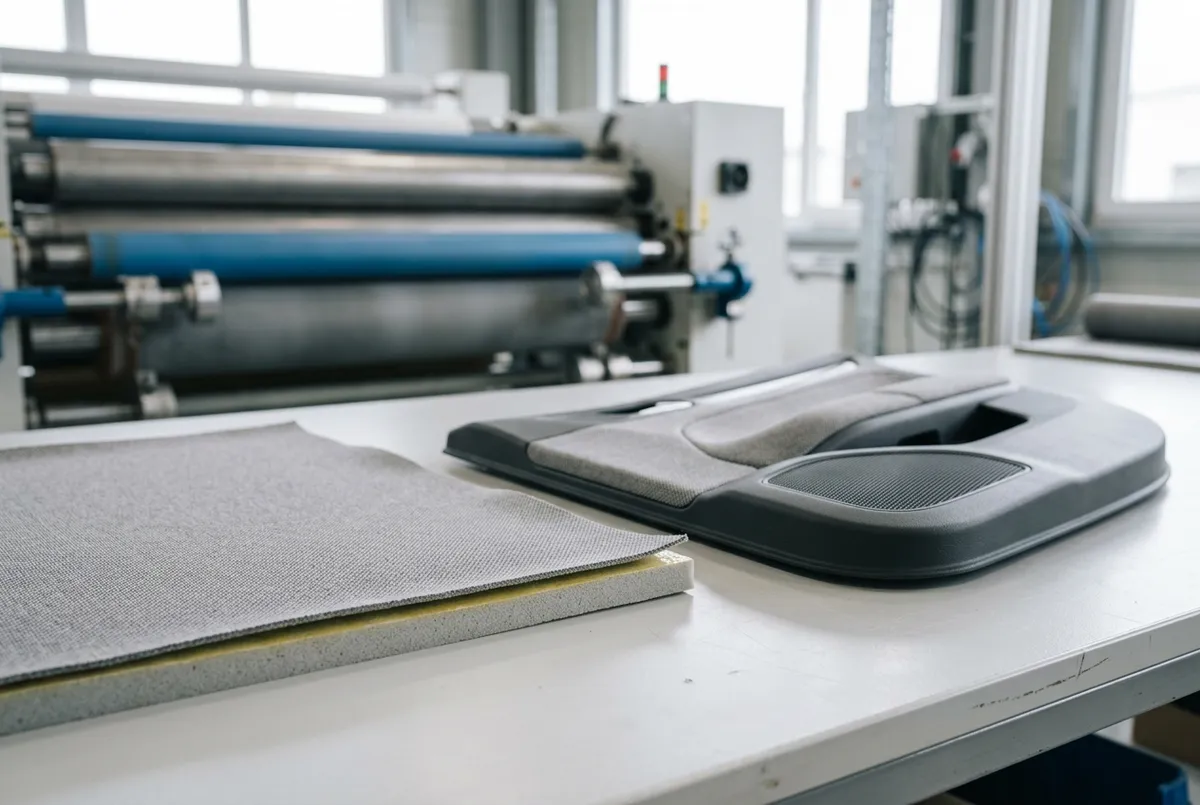
Textile and interior lamination
Fabric is laminated to foam, or to door-panel and headliner substrates. The bond line must stay soft and flexible, so the fabric keeps its feel, and hold up to heat inside the vehicle.
Grades to look at
- Flexible crystalline: NGC Ester 76617 HM, 76612 HM
- Liquid and low-melt soft segments: NGC Ester 74537 HM, 76535 HM, 71145 HM
Hot-melt grades
Typical values. Confirmed on each TDS. Melting points are approximate. Viscosity is shown with its measuring temperature.
| Grade | Chemistry | OH valuemg KOH/g | Acid valuemg KOH/g, max | Avg MWg/mol | ViscositymPa·s at °C | Stateat 25 °C | Melting pointor Tg | Role in the hot melt | Sample |
|---|---|---|---|---|---|---|---|---|---|
| Crystalline: set and green strength | |||||||||
| NGC Ester 76630 HM | 1,6-hexanediol adipate | 28–32 | ≤ 0.5 | 3,700 | 5,500 at 60 | Solid (crystalline) | approx 55 °C | Main crystalline backbone; balanced open/set time; high green strength | Request sample |
| NGC Ester 76620 HM | 1,6-hexanediol adipate | 18–22 | ≤ 1.0 | 5,600 | 16,500 at 70 | Solid (crystalline) | approx 56 °C | Higher MW; tougher film; longer chains for flexibility | Request sample |
| NGC Ester 76617 HM | 1,6-hexanediol adipate | 14–20 | ≤ 1.0 | 6,500 | On request | Solid (crystalline) | approx 57 °C | High MW crystalline for textile and flexible bonds | Request sample |
| NGC Ester 76612 HM | 1,6-hexanediol adipate | 10–16 | ≤ 1.0 | 8,500 | On request | Solid (crystalline) | approx 57 °C | Highest MW crystalline; elastic bond lines | Request sample |
| NGC Ester 76637 HM | 1,6-hexanediol adipate | 35–39 | ≤ 0.5 | 3,000 | 3,000 at 60 | Solid (crystalline) | approx 55 °C | Lower MW crystalline; lower melt viscosity | Request sample |
| NGC Ester 76656 HM | 1,6-hexanediol adipate | 53–59 | ≤ 0.5 | 2,000 | 1,100 at 60 | Solid (crystalline) | approx 53 °C | Prepolymers; fast crystallising soft segment | Request sample |
| NGC Ester 74445 HM | 1,4-butanediol adipate | 43–47 | ≤ 0.5 | 2,500 | 2,200 at 60 | Solid (crystalline) | approx 55 °C | Contact and footwear adhesives; fast crystallisation | Request sample |
| NGC Ester 74457 HM | 1,4-butanediol adipate | 54–58 | ≤ 0.5 | 2,000 | 1,400 at 60 | Solid (crystalline) | approx 55 °C | Contact adhesives; TPU-type adhesives | Request sample |
| NGC Ester 72235 HM | Ethylene glycol adipate | 33–37 | ≤ 0.5 | 3,200 | 3,500 at 60 | Solid | approx 50 °C | Crystalline modifier | Request sample |
| Crystalline, fast-set | |||||||||
| NGC Ester 76930 HM | 1,6-hexanediol long-chain diacid polyester | 28–32 | ≤ 0.5 | 3,750 | 2,400 at 80 | Solid (highly crystalline) | approx 70 °C | Very fast setting; edgebanding and high line speed | Request sample |
| Amorphous | |||||||||
| NGC Ester 76135 HM | Isophthalic/adipic acid hexanediol polyester | 33–37 | ≤ 0.5 | 3,200 | 7,600 at 60 | Solid | Tg on TDS | Raises green strength and adhesion to polar substrates | Request sample |
| Liquid and low-melt | |||||||||
| NGC Ester 74537 HM | Butanediol/neopentyl glycol adipate | 35–39 | ≤ 0.5 | 3,000 | 10,000 at 40 | Liquid | Tg < −40 °C | Longer open time; flexibility; adhesion to plastics | Request sample |
| NGC Ester 76535 HM | Hexanediol/neopentyl glycol adipate | 32–38 | ≤ 0.5 | 3,200 | 12,000 at 40 | Paste/solid | Tg on TDS | Soft segment; open-time control | Request sample |
| NGC Ester 71145 HM | Diethylene glycol adipate | 43–47 | ≤ 0.5 | 2,500 | 12,400 at 25 | Liquid | Tg < −40 °C | Low-cost liquid soft segment; laminating adhesives | Request sample |
| Support grades from the main range | |||||||||
| NGC Ester 72140B | Aliphatic polyester | 38–42 | < 0.5 | 2,800 | 2,700–3,300 at 60 | Liquid | On TDS | Liquid soft segment | Request sample |
| NGC Ester 72156B | Aliphatic polyester | 50–55 | < 0.5 | 2,250 | 1,350–1,650 at 60 | — | On TDS | Adhesives and TPU-type adhesives | Request sample |
| NGC Ester 72120B | Aliphatic polyester | 108–116 | < 0.5 | 1,000 | 100–300 at 75 | — | On TDS | Low MW; tack and hardness tuning | Request sample |
| NGC Ester 74310NH | Aliphatic polyester | 106–118 | < 1.0 | 1,200 | 500–800 at 75 | — | On TDS | Coatings and adhesives; PUD | Request sample |
Typical values, not a specification. The TDS for your order is the agreed specification. Price, packaging, lead time and REACH status are confirmed with each quotation. Always trial before use.
Downloads
Hot-melt polyols brochure
The hot-melt grades and support grades, how to build an RHM, and how to match your current grade. 2 pages, October 2026.
Download PDFNGC Ester catalogue
All 57 NGC Ester grades: hot-melt, CASE and rigid foam. Issue 2, October 2026.
Download PDF